

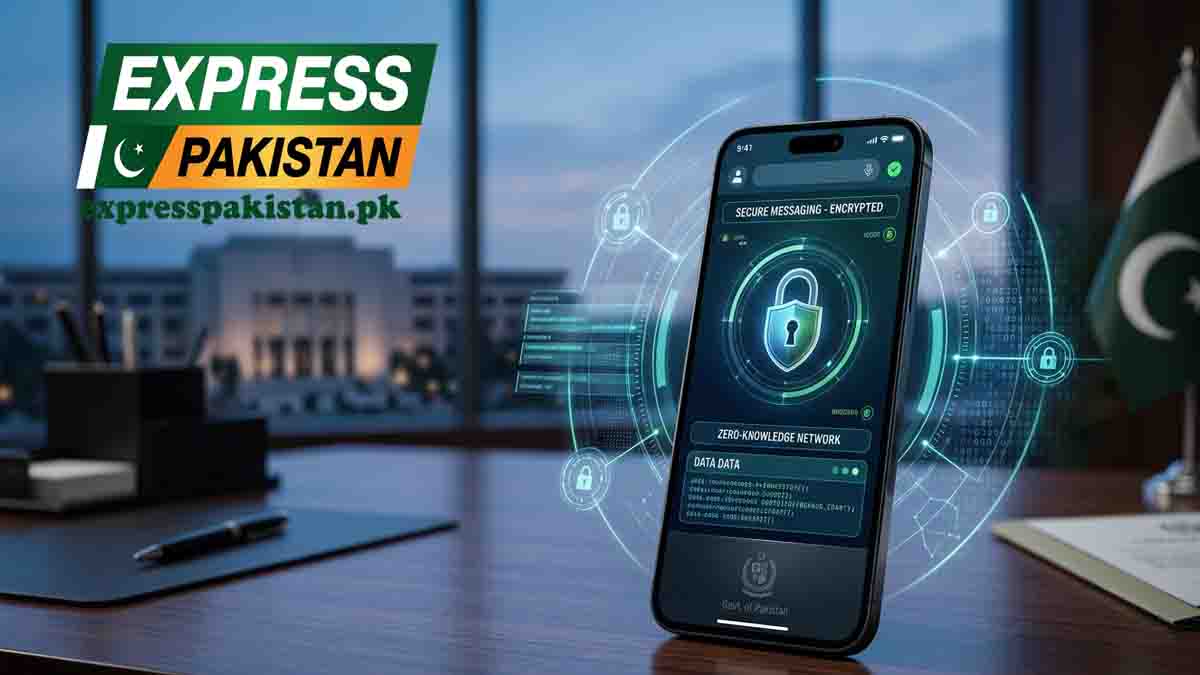
NTC Launches Locally Developed Mobile for Officials
Islamabad: Pakistan’s National Telecommunication Corporation (NTC) has introduced a secure government smartphone designed exclusively for officials. This new device aims to strengthen cybersecurity, protect sensitive communications, and reduce reliance on foreign technology.
The initiative marks a major step toward digital sovereignty. It also highlights Pakistan’s focus on building secure, locally controlled communication systems.
Fully Local Design Strengthens Security
NTC developed both the hardware and software entirely within Pakistan. As a result, the government now has full control over the device’s ecosystem.
This approach reduces dependence on foreign vendors. Moreover, it minimizes exposure to external cyber threats.
In addition, local development ensures better oversight of security protocols. Therefore, officials can communicate with greater confidence.
Locally Built Applications Improve Data Protection
All applications installed on the smartphone are developed in Pakistan. This decision plays a key role in maintaining data security.
Foreign applications often carry unknown risks. However, locally built apps reduce the chances of hidden vulnerabilities.
As a result, officials can rely on trusted software for secure communication. Furthermore, the system ensures that sensitive data stays within national boundaries.
Closed Network Communication Enhances Privacy
The smartphone operates on a closed communication network. Notably, it does not connect to the internet.
This feature significantly reduces the risk of hacking and remote cyberattacks. Consequently, officials can communicate without exposure to online threats.
In addition, the device allows calls only between identical smartphones. This restriction creates a secure communication loop.
Therefore, sensitive government conversations remain private. At the same time, unauthorized access becomes extremely difficult.
Strong Data Protection Measures in Place
NTC has implemented strict data protection features in the device. For example, the smartphone does not support data backup.
This limitation serves a clear purpose. If a device is lost or stolen, sensitive information cannot be recovered or misused.
Meanwhile, the smartphone supports SIM cards from all Pakistani telecom providers. This feature ensures flexibility for users.
As a result, officials can maintain usability while benefiting from enhanced security.
Strategic Importance for Government Communications
The primary goal of this secure smartphone is to safeguard official communication. Traditional messaging platforms often carry security risks.
However, this device offers a controlled and protected alternative. Therefore, government departments can exchange information securely.
Moreover, the smartphone strengthens Pakistan’s digital independence. By reducing reliance on foreign technology, the country gains better control over its data.
Pilot Program Currently Underway
NTC has launched a limited pilot program to test the smartphone. Currently, a small batch is in use by selected officials.
This phase allows authorities to evaluate performance and security features. In addition, it helps identify any technical improvements.
Once testing is complete, the government plans to expand deployment. However, officials will proceed carefully to ensure smooth implementation.
Challenges in Adoption and Expansion
Despite its strong security features, the smartphone presents some challenges. For instance, the lack of internet access may limit functionality.
Similarly, the absence of backup options could affect convenience. Therefore, users may need time to adjust to the new system.
In addition, large-scale production will require significant resources. Proper funding and logistics planning will play a crucial role in nationwide rollout.
Without careful execution, expansion could face delays.
Advancing Pakistan’s Digital Sovereignty
This initiative represents a major step toward digital independence. By controlling both hardware and software, Pakistan reduces its reliance on foreign systems.
Furthermore, the smartphone strengthens cybersecurity across sensitive departments. These include defense, administration, and executive offices.
As cyber threats continue to grow, secure communication tools have become essential. Therefore, this device offers a timely solution.
Conclusion
The secure government smartphone developed by NTC reflects Pakistan’s commitment to protecting sensitive data. It also supports long-term digital transformation goals.
Although challenges remain, the initiative lays a strong foundation for secure communication infrastructure. In the future, wider adoption could further enhance national cybersecurity.
