

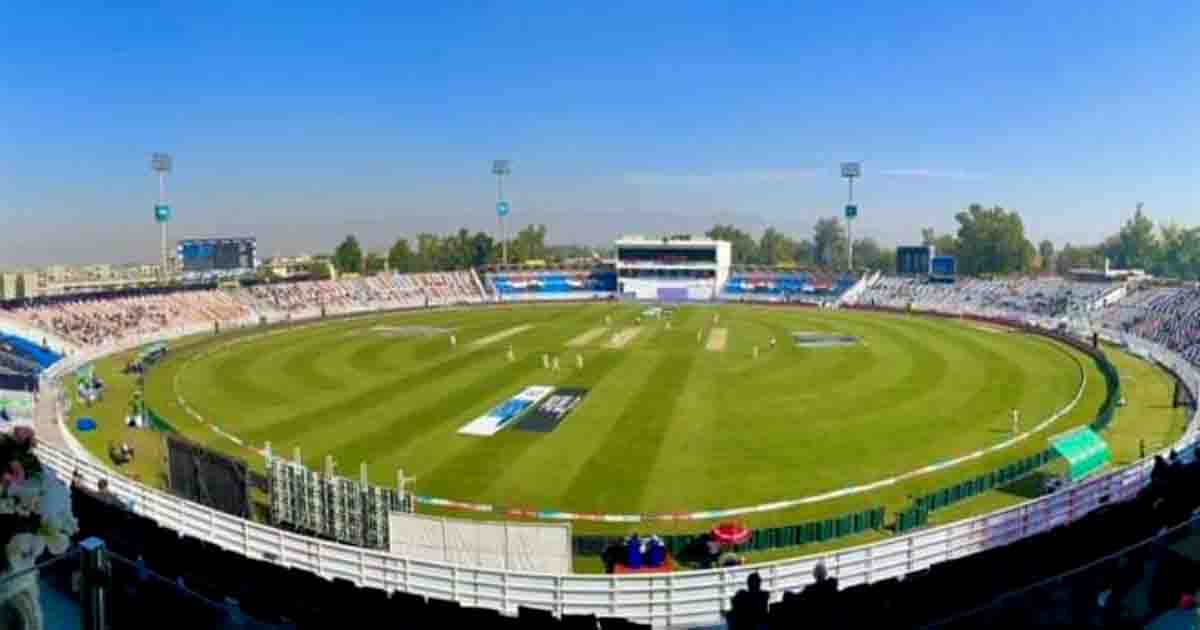
Rawalpindi Cricket Stadium: Iconic History & Ultimate Stats
The legendary Rawalpindi Cricket Stadium remains one of the most fascinating yet highly debated sporting grounds in international cricket today. Known globally for its lightning-fast outfields and passionate, packed crowds, this iconic venue holds a unique place in the hearts of cricket purists and modern T20 enthusiasts alike.
Located a short drive away from the twin cities’ main hubs, the stadium has evolved from a simple regional ground into a premier international venue. For anyone trying to analyze upcoming matches, place fantasy sports selections, or study Pakistani cricket history, mastering the nuances of this specific turf is absolutely essential.
Let us dive deep into the ultimate breakdown of this majestic venue, exploring its rich history, distinct playing conditions, and jaw-dropping match records.
The Genesis of an Iconic Ground
Constructed in 1992, the Rawalpindi Cricket Stadium was built to replace the aging, traditional Pindi Club Ground. The goal was simple: to establish a world-class facility capable of managing the massive surge in local spectator interest.
The stadium quickly proved its worth by successfully hosting critical group matches during the historic 1996 ICC Cricket World Cup. Over the decades, it has served as a primary fortress for the Pakistan National Cricket Team, alongside local powerhouse franchises like Islamabad United in the Pakistan Super League (PSL).
Crucial Structural & Boundary Analytics
To understand how games unfold here, we must look closely at the physical layout of the venue. The structural design directly impacts team strategies and overall match scoring patterns.
Seating Capacity: The stadium comfortably accommodates roughly 15,000 to 18,000 energetic fans. The compact layout makes the crowd feel incredibly close to the action, generating a roaring wall of sound.
Boundary Dimensions: The playing arena features relatively short square boundaries, usually measuring around 60 to 65 meters. The straight boundaries offer a slightly tougher challenge, stretching out near 70 to 75 meters.
Because the thin air of the region combines perfectly with a rapid outfield, mistimed shots frequently fly over the ropes for maximums, keeping boundary riders constantly under immense pressure.
Detailed Pitch Report: A Split Personality
If you ask any international captain about the playing surface at the Rawalpindi Cricket Stadium, you will likely receive a complicated answer. The pitch behaves entirely differently depending on the specific format of the game being played.
Limited-Overs Dynamics (T20I & PSL)
In white-ball cricket, the track turns into an absolute paradise for top-order batters. The soil composition offers a true, reliable bounce with minimal lateral movement after the initial powerplay overs.
The average first-innings score in domestic T20 matches sits at an astronomical 184 runs. Teams winning the toss almost always choose to chase, as evening dew frequently slicks the grass, making the ball difficult for spinners to grip in the second innings.
The Test Match Grind
Conversely, red-ball cricket at this ground has often sparked intense global controversies. The surface is famous for its flat, placid nature during the opening days of a Test match.
A prime example occurred in late 2022 when England shattered records by piling up a massive 657 runs in their first innings against Pakistan. To counter these batting-friendly conditions, local ground staff now regularly use industrial windbreaks and massive solar heaters to dry out the soil prematurely, trying to induce late-game cracks for spin bowlers.
Unforgettable Historical Milestones
Multiple legends of the game have written their names into the history books on this specific turf. The ground has hosted some of the most memorable individual displays in modern sports.
The Launch of the Express: This venue marks the exact location where legendary fast bowler Shoaib Akhtar made his international Test debut in 1997, kickstarting his journey to becoming the fastest bowler in cricket history.
The Marathon Innings: Indian batting icon Rahul Dravid holds the record for the highest individual score at the ground, putting together a masterful, gritty 270 runs over 12 hours of batting in 2004.
The Ultimate Team Total: Pakistan holds the highest team total on this ground in ODI history, blasting a commanding 351/7 against a touring Zimbabwean bowling attack in 2020.
Summary of Core Ground Records
To wrap up your strategic understanding, keep these critical historical statistics handy for your next match analysis:
| Statistical Category | Record Holder | Milestone Figure |
| Highest Test Innings Total | England vs. Pakistan (2022) | 657 All Out |
| Lowest Test Innings Total | Pakistan vs. South Africa (1997) | 92 All Out |
| Most Test Runs at Venue | Inzamam-ul-Haq (Pakistan) | 573 Career Runs |
| Most Test Wickets at Venue | Waqar Younis (Pakistan) | 23 Career Wickets |
| Highest Successful ODI Chase | Pakistan vs. New Zealand (2023) | 337/3 |
Pakistan Super League (PSL)
The official home ground for Islamabad United in the Pakistan Super League (PSL) is the Rawalpindi Cricket Stadium. Ultimately, whether it is a high-octane PSL night match or a grueling five-day Test battle, the Rawalpindi Cricket Stadium remains an undeniable entertainer, ensuring that batsmanship and tactical grit are always pushed to their absolute limits. The stadium also serves as the dedicated home ground for Rawalpindi’s own franchise: the Rawalpindiz (colloquially nicknamed the Pindiz).