

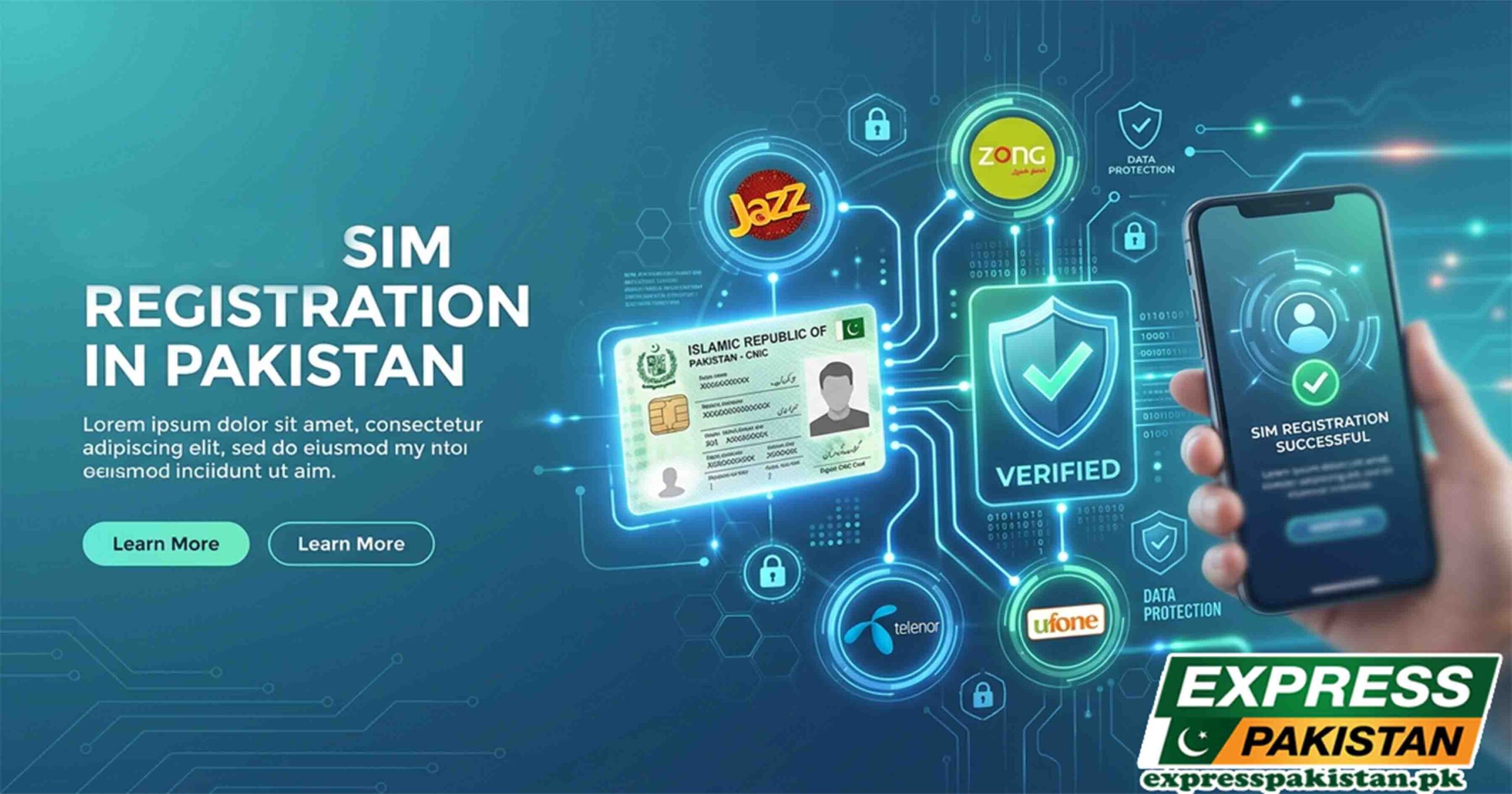
How to Check SIMs Registered on Your CNIC in Pakistan
In Pakistan, every SIM card is legally registered against a citizen’s Computerized National Identity Card (CNIC). This system was introduced to improve national security, prevent misuse of mobile numbers, and ensure that every mobile connection can be traced back to a verified identity.
However, with increasing cases of SIM fraud, unauthorized registrations, and identity theft, the Pakistan Telecommunication Authority (PTA) has strengthened its monitoring systems. Today, it is easier than ever for mobile users to check how many SIMs are registered under their CNIC — and to report any suspicious or unknown numbers.
This guide explains all official methods available in 2026 to verify SIM ownership in Pakistan.
Method 1: SMS to 668 (Fastest and Most Common Method)
The simplest and most widely used method to check SIM registrations is through SMS.
Users need to send their 13-digit CNIC number (without dashes) to 668 from any mobile network in Pakistan.
Once sent, the system immediately responds with details showing how many SIMs are registered under that CNIC across all mobile networks.
Key Features of This Method:
- Completely free of cost
- Works on all Pakistani mobile networks
- Available 24 hours a day
- Instant response in most cases
This method is especially useful for quick checks. However, users should note that database updates may take up to 24–48 hours if a SIM has been newly registered or recently removed at a franchise.
Method 2: PTA Official Online Portal
The second and more detailed method is the official PTA SIM information system available online. cnic.sims.pk
Users can visit the PTA portal and enter their CNIC number for verification. The system then displays a complete breakdown of SIMs registered under that identity.
- Total number of SIMs per CNIC
- Network details (which company the SIM belongs to)
- Active or inactive status of each SIM
This method is recommended for users who want a full overview of their mobile identity across all telecom operators.
The online system is part of PTA’s ongoing digital transformation efforts to provide transparency and reduce telecom fraud in Pakistan.
What to Do If You Find an Unknown SIM
If you discover a SIM registered under your CNIC that you do not recognize, immediate action is necessary.
Such cases may occur due to unauthorized biometric usage, clerical errors at franchise centers, or identity misuse.
Steps to Take:
- Reconfirm your SIM list by sending your CNIC again to 668
- File a complaint through the official PTA complaint portal
- Contact your mobile network’s helpline:
- Jazz: 111
- Zong: 310
- Ufone: 333
- Telenor: 345
- Report serious identity misuse to NADRA if required
- Save all complaint reference numbers for follow-up
Authorities take unauthorized SIM registration seriously, especially because such numbers can be used in illegal activities that may directly implicate the CNIC holder.
How Many SIMs Are Allowed per CNIC?
According to PTA regulations, a single CNIC is allowed to register a maximum of five active SIM cards across all mobile networks in Pakistan.
This limit includes all telecom operators combined, not separately per company.
If more than five SIMs appear under your CNIC, it is a strong indication that at least one SIM may have been registered without your consent.
In such cases, users are strongly advised to:
- Identify unused or unknown SIMs
- Contact the relevant mobile operator
- Request immediate deactivation
- File a complaint with PTA if needed
Failure to monitor SIM ownership can create serious legal risks, as any misuse of an unauthorized SIM may be traced back to the registered CNIC holder.
PTA SIM Database 2026: Stronger and More Accurate System
The PTA SIM database in 2026 is significantly more advanced compared to previous years. It is the result of multiple nationwide biometric re-verification campaigns carried out in collaboration with mobile operators.
Every SIM activation now requires:
- Live fingerprint verification
- CNIC validation through national records
- Real-time approval from telecom systems
This ensures that SIM cards cannot be activated using fake documents or unauthorized identity data.
When a SIM is newly registered or modified at a franchise, it typically appears in the PTA system within 24 to 48 hours.
This improved system has helped reduce illegal SIM circulation and has made Pakistan’s telecom network more secure and traceable.
Why Regular SIM Checking Is Important
With increasing reliance on mobile numbers for banking, digital wallets, and online verification systems, SIM ownership has become directly linked to financial and personal security.
Regular checking of SIMs registered under your CNIC is important because:
- It prevents identity misuse
- It helps detect unauthorized SIM activity early
- It protects you from legal issues linked to unknown SIM usage
- It ensures compliance with PTA regulations
Cybersecurity experts recommend checking SIM records at least once every few months, especially if you frequently visit mobile franchise centers or have shared biometric verification in the past.
Final Advice for Mobile Users in Pakistan
Checking your SIM registrations is a quick and simple process that takes less than a minute, but it plays a crucial role in protecting your identity.
Given the increasing focus on telecom security, biometric verification, and regulatory enforcement in Pakistan, every mobile user should actively monitor their SIM records.
Also Read: PTA SIM Change Policy for Mobile SIMs in Pakistan
By regularly verifying your CNIC and reporting any unknown SIMs, you not only protect your identity but also contribute to a safer and more secure telecom environment in the country.
