

Haris Rauf Banned: ICC Disciplinary Actions Reinforce Professional Standards in Cricket
The International Cricket Council (ICC) has issued a series of disciplinary rulings involving players from Pakistan and India. These actions highlight the ICC’s strict enforcement of its Code of Conduct and its ongoing commitment to maintaining professionalism in international cricket. Importantly, the sanctions apply uniformly across teams, reinforcing the principle of fairness and integrity that underpins the sport at the highest level.
Haris Rauf Suspended for On-Field Conduct
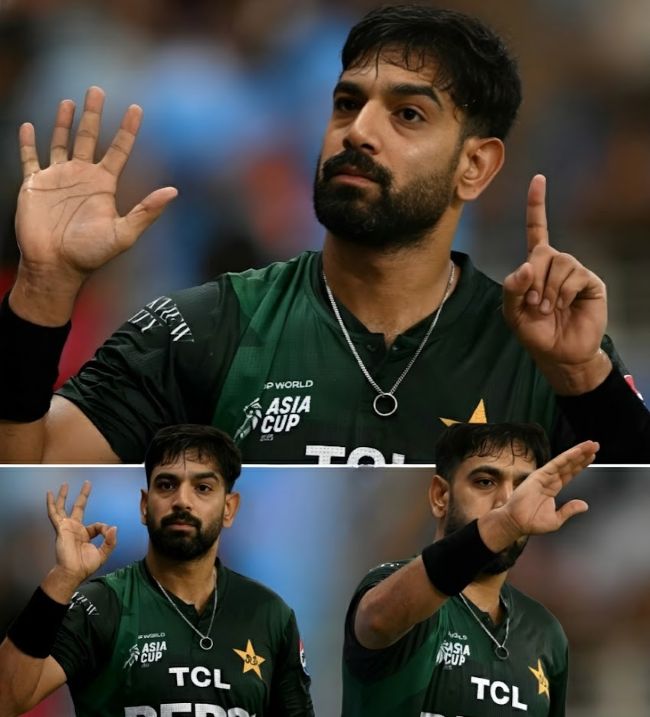
Pakistan fast bowler Haris Rauf has been suspended for two matches following a breach of ICC Code of Conduct regulations. The incident occurred during an on-field celebration after taking a wicket, where he performed a fighter-jet style gesture that was deemed inappropriate under the guidelines.
As a result, Rauf will miss Pakistan’s upcoming international fixtures, including key matches against South Africa national cricket team. His absence represents a significant setback for Pakistan’s bowling attack, as he is widely regarded as one of the team’s primary pace threats, particularly in limited-overs formats.
This suspension also highlights the ICC’s stance on player behavior. While emotional celebrations are an integral part of cricket and contribute to its entertainment value, they must remain within clearly defined professional boundaries. Therefore, players are expected to express themselves in ways that respect opponents, officials, and the spirit of the game.
Sanctions for Suryakumar Yadav
Indian batter Suryakumar Yadav also faced disciplinary action after making politically sensitive remarks during a post-match interview. ICC regulations strictly prohibit statements that introduce political elements into the sport, particularly in official settings.
Consequently, Yadav was fined a portion of his match fee. This decision reinforces the ICC’s long-standing neutrality policy, which aims to keep cricket free from political influence or controversy. It also emphasizes that players, as public figures with global visibility, must carefully separate personal opinions from their professional roles.
Such measures are not only about punishment but also about preserving cricket’s universal appeal. By avoiding political entanglements, the ICC ensures that the sport remains inclusive and focused solely on competition and performance.
Warning Issued to Jasprit Bumrah
Indian fast bowler Jasprit Bumrah received a formal warning along with a demerit point for an on-field gesture directed at Haris Rauf during the same series. Although the incident did not escalate to a suspension, it has been officially recorded in his disciplinary history.
This means that any future violations within a specified time frame could trigger stricter penalties, including fines or match bans. The case illustrates that even senior and highly respected players are not exempt from scrutiny and must adhere to the same standards as their peers.
Importance of the ICC Code of Conduct
These disciplinary actions underline the ICC’s critical role as the global regulator of cricket standards. The organization ensures consistency in how rules are applied, regardless of a player’s reputation, experience, or nationality.
Moreover, such rulings act as a deterrent against inappropriate conduct. In high-pressure matches—especially those involving historic rivalries like India and Pakistan—emotions can run high. The Code of Conduct provides a framework that helps maintain discipline and prevents situations from escalating.
As a result, teams must now consider not only performance and fitness but also behavioral discipline when preparing for matches. Coaching staff and management increasingly emphasize professionalism as a core component of team culture.
Impact on Team Strategy and Performance
Suspensions, fines, and warnings can significantly affect team planning and overall performance. For Pakistan, the absence of Haris Rauf reduces their pace-bowling depth, potentially forcing selectors to adjust combinations or rely on less experienced players.
Similarly, disciplinary records for Indian players such as Suryakumar Yadav and Jasprit Bumrah highlight the ongoing risk of future sanctions. Teams must remain vigilant, as repeated infractions could lead to the loss of key players during crucial tournaments.
Therefore, maintaining discipline has become an essential part of modern cricket strategy, alongside technical preparation, tactical awareness, and physical fitness.
Upholding the Spirit of the Game
The ICC’s recent disciplinary rulings involving Haris Rauf, Suryakumar Yadav, and Jasprit Bumrah reinforce the importance of professionalism in international cricket. These decisions demonstrate that rules are applied consistently and fairly across all teams.
Ultimately, the ICC aims to preserve the integrity of the game by ensuring that outcomes are determined by skill, preparation, and strategy rather than misconduct. In doing so, it strengthens the values of fair play and respect, which remain central to cricket’s global identity.
Follow more updates: Cricket News from Pakistan.