


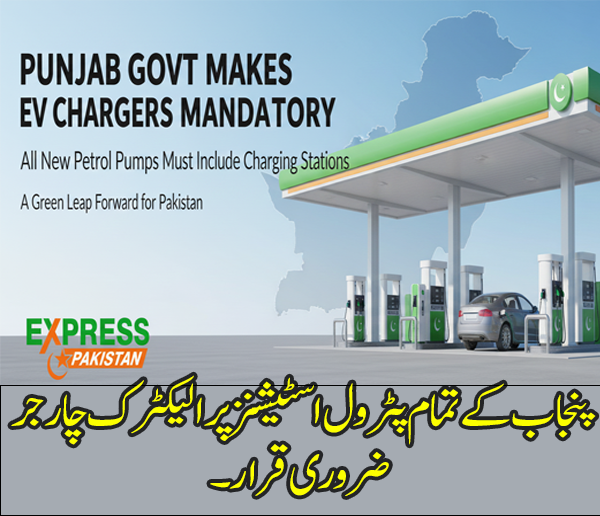
The Punjab government introduced a major policy shift to accelerate electric vehicle adoption. The province now requires every new petrol pump to install at least one EV charging station. The move strengthens Punjab’s clean-energy strategy and supports the growing number of EV users who struggle with charging access.
New Rule Targets Fresh Petrol Pump Licenses
The government tied EV charger installation directly to new petrol pump approvals. Every new fuel station must include a functional charging unit before receiving its operating license. This approach ensures consistent expansion of charging infrastructure without waiting for older stations to upgrade.
Meanwhile, authorities simplified the approval process. They removed district-level design committee clearance for commercial setups, which speeds up the establishment of new pumps and dedicated EV charging sites.
Province Plans Large-Scale Charging Network
Punjab also announced a wider EV expansion roadmap. The government aims to develop 2,000 EV charging stations across major cities and commercial zones. This network will significantly improve long-distance EV travel and reduce range anxiety.
In addition, policymakers opened commercial areas for EV charging installation without heavy restrictions. Investors now see fewer regulatory hurdles, making the sector more attractive.
National Support Strengthens the Shift
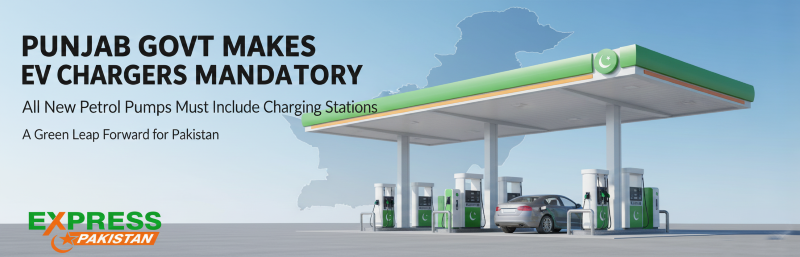
Federal authorities reinforced the transition by lowering electricity tariffs for EV charging stations. The reduction cuts operational costs and encourages more private companies to enter the charging market. As a result, EV owners will benefit from cheaper, more accessible charging options.
Prime Minister-level directives further pushed agencies to accelerate national EV infrastructure, creating unified momentum across provinces.
A Step Toward Modern Mobility
Punjab’s mandatory EV chargers for new petrol pumps mark a pivotal step toward modernized transportation. The policy expands charging access, promotes cleaner energy, and prepares the province for rising EV demand.
The initiative sets a strong precedent, and future regulations may eventually extend similar requirements to older petrol stations as well.