

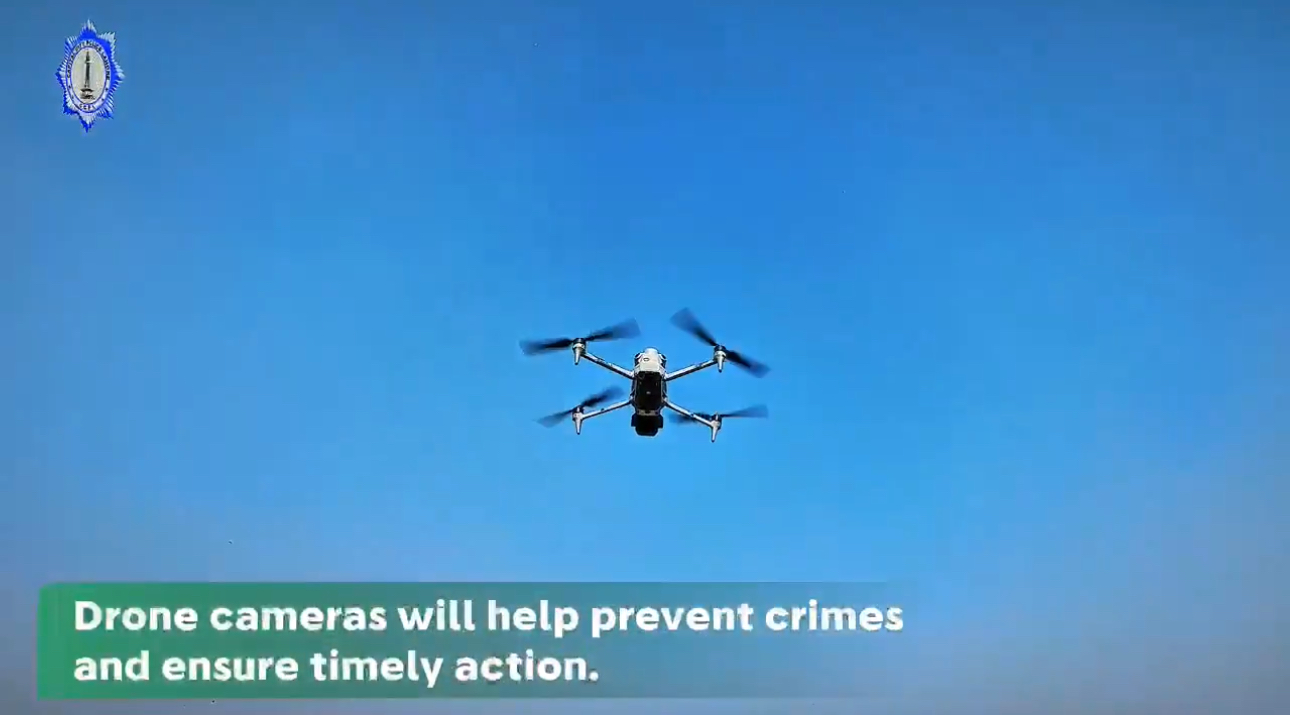
Punjab Rapid-Response Drone System has officially been launched as part of a bold initiative to modernize policing and strengthen public safety across the province. Introduced by the Punjab government in Lahore, this advanced surveillance solution is designed to reach crime scenes within minutes, offering real-time aerial intelligence to law enforcement agencies.
This cutting-edge system is a core component of Punjab’s broader Smart Policing strategy, which focuses on technology-driven law enforcement, faster emergency response, and improved coordination among police units.
What Is the Punjab Rapid-Response Drone System?
The Punjab Rapid-Response Drone System consists of high-tech drones equipped with high-definition cameras and thermal imaging sensors. These drones are capable of transmitting live video footage directly to central police control rooms, giving commanders an immediate and comprehensive aerial view of developing situations.
By deploying drones as first responders in the sky, police can assess threats, monitor suspect movements, and manage volatile situations such as armed encounters, riots, or hostage scenarios before ground units arrive.
How Drone Surveillance Improves Crime Scene Response
One of the biggest advantages of the Punjab Rapid-Response Drone System is speed. Traditional response methods often face delays due to traffic congestion or lack of situational awareness. Drone deployment eliminates these barriers by providing instant visibility.
With live aerial footage, police commanders can:
- Identify escape routes used by suspects
- Assess crowd behavior during disturbances
- Deploy officers strategically and safely
- Reduce risks to civilians and law enforcement personnel
This real-time intelligence significantly improves decision-making and operational efficiency.
Formation of the Crime Control Department (CCD)
To complement the Punjab Rapid-Response Drone System, the government has established a specialized Crime Control Department (CCD). This elite unit is tasked exclusively with handling major and organized crimes.
Crimes Covered by the CCD
The CCD will focus on:
- Homicide and attempted murder
- Armed robbery and extortion
- Land grabbing and property fraud
- Organized shooter gangs
- Criminal syndicates and repeat offenders
By combining drone surveillance with dedicated investigative expertise, the CCD acts as the analytical backbone of Punjab Police’s modern crime-fighting framework.
Integration of Drones with Investigations
A key strength of the Punjab Rapid-Response Drone System lies in its seamless integration with the CCD. Drone footage is streamed, stored, and analyzed to support investigations, preserve crime scene integrity, and strengthen prosecution cases.
This aerial evidence:
- Creates a permanent digital record
- Reduces chances of evidence tampering
- Improves conviction rates
- Enhances transparency and accountability
Government Commitment and Vision
At the launch ceremony, Chief Minister Maryam Nawaz emphasized the importance of decisive and technology-led law enforcement.
She stated that dismantling organized crime networks requires faster response times and smarter intelligence gathering. The Punjab Rapid-Response Drone System, combined with the CCD, acts as a force multiplier that strengthens policing capabilities across urban and rural districts.
To support this vision, the government has committed significant funding and resources.
Investment in Skilled Personnel and Technology
The Punjab government plans to recruit specialists in:
- Cybercrime investigation
- Digital forensics
- Intelligence analysis
- Surveillance operations
Additionally, the CCD will receive:
- Modern patrol and response vehicles
- Advanced communication equipment
- Secure data infrastructure for drone footage
- Dedicated technical support teams
This investment ensures the Punjab Rapid-Response Drone System operates efficiently and securely.
Improving Coordination and Officer Safety
Senior police officials believe this integrated approach will resolve long-standing coordination challenges. Shared access to live drone feeds allows multiple units to operate with the same intelligence, reducing confusion and response delays.
A senior officer described the system as “a silent guardian in the sky” that improves officer safety while protecting civilians during high-risk operations.
Crime Deterrence and Community Impact
Beyond rapid response, the visible presence of the Punjab Rapid-Response Drone System is expected to act as a strong deterrent against street crime and organized criminal activity.
Communities affected by land-grabbing mafias and violent gangs are likely to see quicker, evidence-based enforcement actions. Increased surveillance also reassures the public that authorities are actively monitoring and responding to criminal threats.
Future Expansion of the Drone Network
The government has announced a phased expansion plan for the Punjab Rapid-Response Drone System. Pilot districts will be evaluated based on:
- Reduction in response times
- Arrest and apprehension rates
- Crime resolution efficiency
Advanced Features in Future Phases
Upcoming upgrades may include:
- License plate recognition
- AI-assisted suspect tracking
- Predictive crime analytics
Addressing Privacy and Legal Concerns
Authorities have acknowledged public concerns regarding privacy. Strict operational protocols will govern drone usage, ensuring surveillance is conducted only for official investigations and within legal boundaries.
All collected footage will be stored securely and accessed solely by authorized personnel.
A New Era of Smart Policing
The launch of the Punjab Rapid-Response Drone System marks a decisive shift toward modern, technology-driven policing. By integrating aerial surveillance with a specialized crime control unit, Punjab is setting a powerful example for law enforcement reform.
With faster response times, stronger evidence collection, and improved public safety, this initiative positions Punjab as a leader in smart policing—one that other provinces may soon follow.