


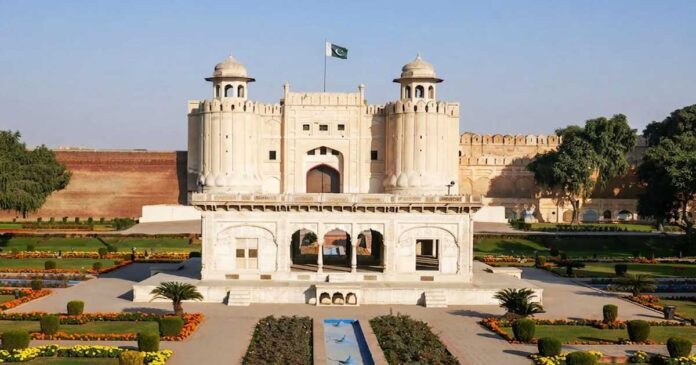
Lahore Fort — locally known as Shahi Qila (شاہی قلعہ) — is arguably the most powerful symbol of Pakistan’s Mughal heritage. Spread across 20 hectares at the northern edge of Lahore’s walled city, this UNESCO World Heritage Site contains over 21 notable monuments built across several centuries of Mughal rule. Whether you are a history enthusiast, an architecture lover, or a first-time visitor to Lahore, Shahi Qila is an experience that stays with you for life.
Quick Information
| Category | Details |
| 📍 Location | Walled City, Lahore, Punjab, Pakistan |
| ⏰ Opening Hours | Tue–Sun: 8:30 AM – 5:30 PM |
| 🚫 Closed On | Mondays |
| 🎟️ Ticket (Local) | Rs. 200 – Rs. 500 |
| 🌍 Ticket (Foreigners) | Approx. USD 5 |
| 🏛️ UNESCO Status | Listed since 1981 |
| 📅 Best Time to Visit | October – March (Cooler weather) |
| ⌛ Suggested Duration | 2–4 hours |
A History Spanning Over 1,000 Years
The origins of Lahore Fort date back to antiquity, with records suggesting the existence of an earthen fort on this site over a thousand years ago. However, the fort as we know it today was largely shaped during the Mughal era, beginning with Emperor Akbar the Great in the 16th century. Akbar rebuilt and expanded the fort extensively between 1566 and 1605, transforming it from a modest stronghold into a grand imperial residence.
Subsequent emperors — Jahangir, Shah Jahan, and Aurangzeb — each added their architectural imprint, creating a layered palimpsest of Mughal design. The fort also witnessed the Sikh Empire’s rule in the 19th century, and later fell under British colonial administration. Each era left distinct marks on its structures, making it a living archive of South Asian history.
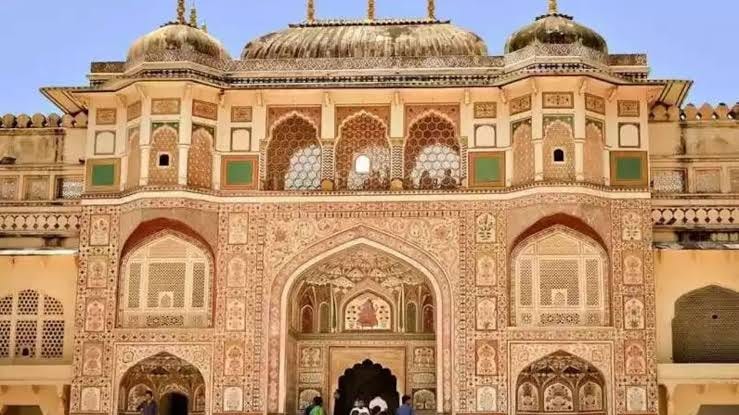
Top Attractions Inside Lahore Fort
The fort is not a single building but an entire complex of palaces, mosques, gardens, and halls. Here are the must-see highlights during your visit:
- Sheesh Mahal (Palace of Mirrors) — Built by Shah Jahan in 1631, this dazzling pavilion is encrusted with thousands of small mirrors and coloured glass, creating a shimmering effect that is unlike anything else in South Asia.
- Alamgiri Gate — The main entrance to the fort, constructed by Emperor Aurangzeb in 1673. Its imposing semi-circular bastions are a masterpiece of late Mughal military architecture.
- Naulakha Pavilion — A delicate marble pavilion built by Shah Jahan. The name literally means “worth nine lakhs,” reflecting its immense construction cost. It is famous for its intricate pietra dura inlay work.
- Diwan-e-Aam (Hall of Public Audience) — The courtyard where the Mughal emperors held public audiences and administered justice to their subjects.
- Moti Masjid (Pearl Mosque) — A small, exquisite mosque built by Emperor Aurangzeb, constructed entirely of white marble. Its understated beauty stands in contrast to the grandeur around it.
- Picture Wall (Daulat Khana-e-Khas-o-Aam) — A 450-metre-long wall decorated with Mughal frescoes, glazed tiles, and elephant/camel motifs — one of the largest surface decorations surviving from the Mughal period.
Why Lahore Fort Is a UNESCO World Heritage Site
In 1981, UNESCO inscribed Lahore Fort and Shalimar Gardens together on the World Heritage List, recognising them as outstanding examples of Mughal civilization at its peak. The fort’s value lies not just in individual monuments but in the ensemble — the way successive emperors each added layers, creating an architectural dialogue across centuries. UNESCO has also flagged conservation concerns related to urban encroachment and structural deterioration, making responsible tourism here especially meaningful.
Practical Visitor Tips
Best Time to Visit
October to March offers pleasant weather. Arrive early (8:30 AM) to avoid midday heat and crowds, especially on weekends.
Dress Code
There is no strict dress code, but modest clothing is recommended out of cultural respect. Comfortable shoes are essential — you’ll walk a lot.
Photography
Photography is generally allowed in open areas. Some interior spaces may restrict it. Always ask before photographing staff or guards.
Getting There
Located near Delhi Gate in the Walled City. Take a rickshaw from Lahore’s inner city or use ride-hailing apps. Orange Line Metro also serves nearby stations.
What to See Nearby
Lahore Fort sits in a heritage cluster — combine your visit with these nearby landmarks for a full day of history:
Badshahi Mosque is directly across from the fort’s Alamgiri Gate — one of the world’s largest mosques, built by Aurangzeb in 1673. The Hazuri Bagh garden between the mosque and the fort is ideal for a leisurely walk. Just minutes away, the Wazir Khan Mosque (1634) is famous for its exquisite Kashi-kari tile work — a masterpiece of Mughal decorative art. The Delhi Gate and Shahi Hammam (Royal Baths) are also within walking distance inside the Walled City.
Frequently Asked Questions
Final Verdict: Is Lahore Fort Worth Visiting?
Absolutely — without question. Lahore Fort is not merely a tourist attraction; it is Pakistan’s connection to one of the world’s most magnificent empires. Standing inside Sheesh Mahal, looking up at a ceiling that shimmers like a galaxy, you feel the weight of history in a way that no textbook can capture. Whether you are a Pakistani rediscovering your heritage or a foreign visitor experiencing the subcontinent for the first time, Shahi Qila is an unmissable destination.